
Leadership
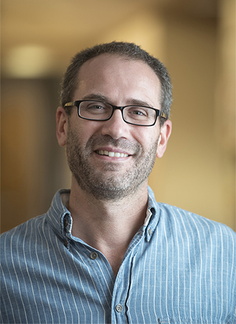
Alessandro Bartolomucci, Professor of Integrative Biology and Physiology Ancel Keys Biomedical Scholar in Physiology and Metabolism, and Director of the Physiology Core at University of Minnesota (UMN). He is also Professor of Applied Biology and the Department of Medicine and Surgery at the University of Parma. Bartolomucci is an expert in the molecular mechanisms underlying stress-induced pathologies, and leads an NIA and NIDDK-supported research program focused on chronic social stress-induced metabolic diseases and other aging-associated diseases. He brings extensive expertise in rodent models for social stress, social behavior, neuroendocrinology and aging to the Network.
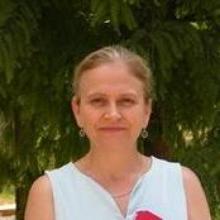
Susan Alberts, Robert F. Durden Professor of Biology and Evolutionary Anthropology at Duke University, Chair of Evolutionary Anthropology. Alberts leads one of the longest-running primate field studies in existence, the Amboseli Baboon Research Project, and has been at the forefront of efforts to understand the social determinants of mortality risk in wild mammals.

Kathleen Mullan Harris, James E. Haar Distinguished Professor of Sociology at UNC, a member of UNC’s Carolina Population Center and the National Academy of Sciences, and Director of the National Longitudinal Study of Adolescent to Adult Health (Add Health). Harris is an internationally recognized scholar of social inequality and health with a reputation for integrating biological, genetic and social science approaches to research on health disparities. Harris brings an authoritative perspective on the social determinants of health in human populations to the network leadership. Importantly Harris’s interest in cross-disciplinary approaches extends to animal model research.
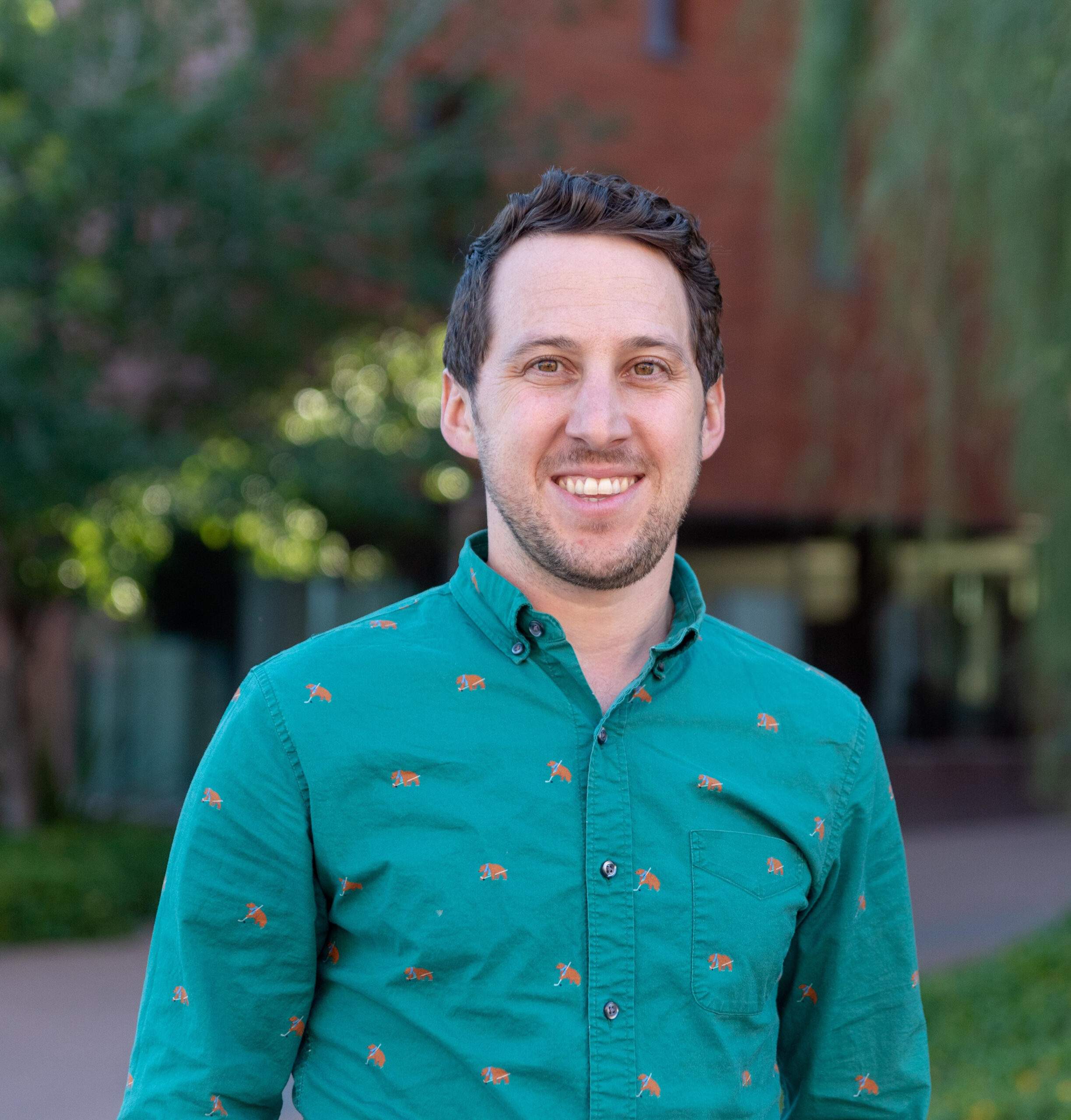
Noah Snyder-Mackler is an Associate Professor at the School of Life Sciences and Center for Evolution and Medicine at Arizona State University. His team combines demographic and behavioral data with high throughput genomics to probe the dynamic interaction between the environment and the genome. Focusing on socially complex nonhuman primates and dogs, they take a multidisciplinary approach to the social and environmental determinants of aging, health, and survival.